Film Camera Maintenance in Louisville A Complete Analog Camera Care Guide
TK Broecker / 12 April 2026
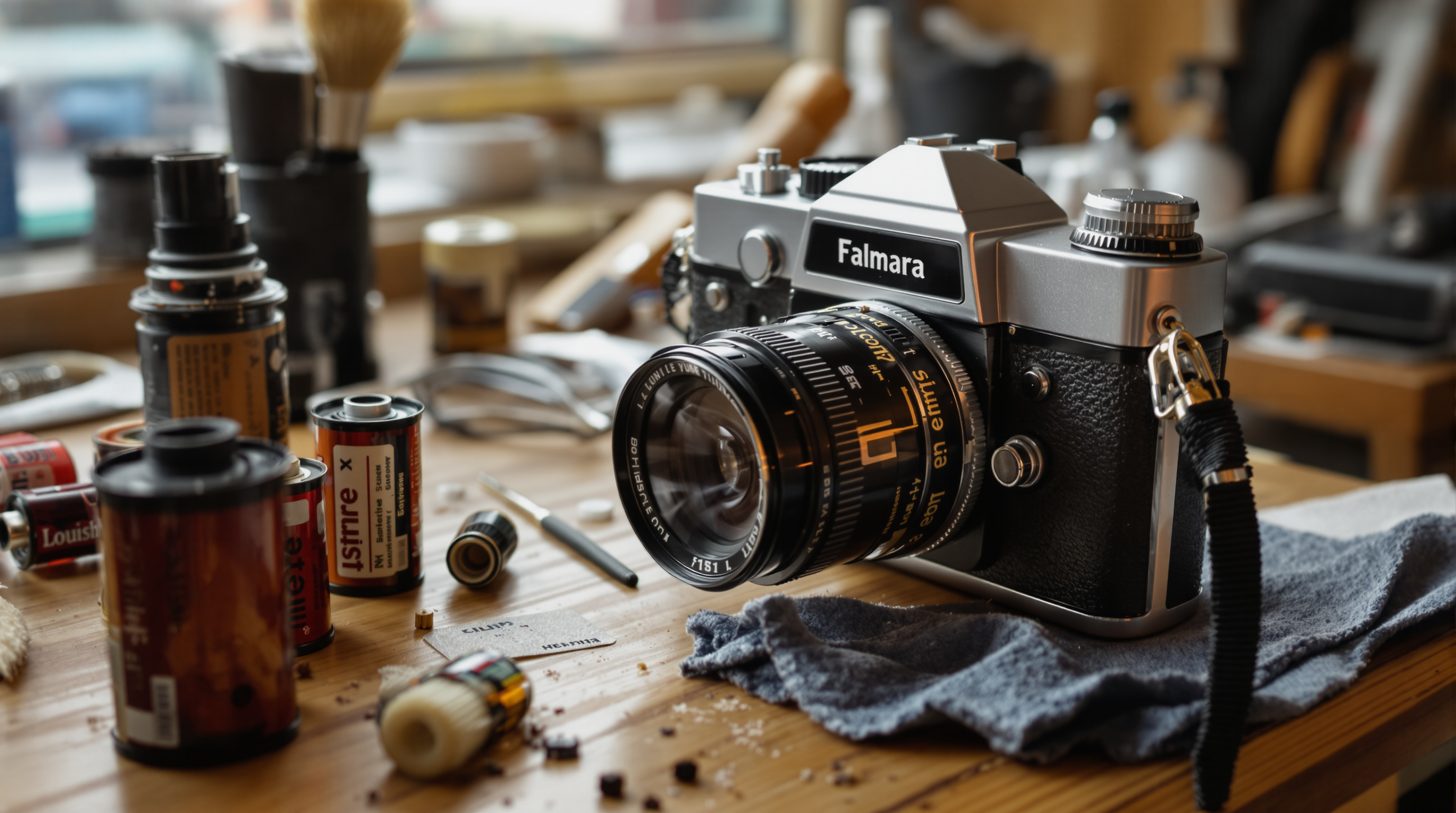
Whether you're a seasoned film photographer or just rediscovering the joy of analog shooting, keeping your film camera in top condition is essential for consistent, high-quality results. From cleaning lenses to replacing aging light seals, proper maintenance extends the life of your gear significantly. If you're based in Louisville, Kentucky, this guide is tailored to help you care for your analog cameras like a professional.
How to Clean a Film Camera the Right Way
Cleaning a film camera requires patience, the right tools, and a gentle touch. Unlike digital cameras, film cameras have delicate mechanical components that can be easily damaged by improper handling. Here's what you'll need and how to proceed:
- Rocket air blower – for removing loose dust from the body, mirror, and viewfinder
- Soft lens cleaning cloth or optical tissue – for wiping glass elements
- Isopropyl alcohol (90% or higher) – for stubborn grime on metal and glass surfaces
- Cotton swabs – for tight corners and film rails
- Sensor/lens cleaning solution – specifically formulated for optical glass
Start by opening the back of the camera (with no film loaded) and using the air blower to remove dust from the film chamber and pressure plate. Never use compressed air in a can, as the propellant can damage foam seals and leave residue. Clean the film rails gently with a dry swab, then move to the lens, cleaning in circular motions from the center outward. Avoid touching internal lens elements unless you are experienced, as improper cleaning can introduce scratches or misalignment.
Camera Light Seals Replacement — When and How
Light seals are foam or felt strips lining the camera's back door and film compartment, preventing unwanted light from fogging your film. Over time — typically after 20 to 30 years — these seals degrade, becoming sticky, crumbly, or completely disintegrated. This is one of the most common issues with vintage cameras and is especially relevant when working with classic models like the Canon AE-1, Pentax K1000, or Minolta X-700.
Signs your light seals need replacing include:
- Light leaks appearing as orange or pink streaks on developed film
- Sticky residue visible inside the camera door channel
- Crumbling black foam pieces inside the film compartment
Replacing light seals is a manageable DIY task. You'll need self-adhesive light seal foam sheets (available online in various thicknesses), tweezers, a toothpick or wooden skewer, and isopropyl alcohol for cleaning out old residue. Carefully remove all old foam using the skewer and clean the channels thoroughly before applying new strips, cut to size. For Louisville residents, several local camera shops and repair technicians offer this service professionally if you prefer expert hands.
Film Camera Storage Tips for Long-Term Preservation
How you store your film cameras between shooting sessions has a major impact on their longevity. Louisville's climate — characterized by humid summers and cold winters — can be particularly challenging for analog gear. Humidity is one of the biggest enemies of cameras, promoting fungal growth inside lenses and causing metal parts to corrode.
Follow these best practices for proper storage:
- Use airtight containers or dry boxes with silica gel desiccant packets to control humidity levels, ideally keeping relative humidity between 40% and 50%
- Store cameras with the lens cap on to protect glass surfaces from dust and accidental contact
- Leave the camera back slightly open if storing long-term, to prevent pressure on the light seals and avoid compression deformation
- Avoid attics and basements, which are prone to temperature fluctuations and moisture buildup
- Release the shutter tension before storing — leaving the shutter cocked for extended periods can weaken the shutter spring mechanism over time
- Remove batteries from all compartments to prevent corrosion from leaking cells
If you're storing film alongside your cameras, keep it refrigerated in sealed bags and allow it to return to room temperature before loading. Film stored in Louisville's summer heat will suffer accelerated degradation of light-sensitive emulsions.
Film Camera Repair in Louisville — Finding the Right Help
Sometimes maintenance isn't enough, and your camera needs professional repair. Common issues that require a technician include sticky or slow shutter blades, broken film advance mechanisms, rangefinder misalignment, and aperture blades coated in oil. These repairs involve disassembling the camera and working with precision components that demand specialized tools and experience.
Louisville has a growing community of analog photography enthusiasts, and with it, a number of reputable options for film camera repair. When choosing a repair technician in Kentucky, look for:
- Experience specifically with film and mechanical cameras, not just digital equipment
- Transparent pricing and a clear quote before work begins
- A solid reputation in local photography communities or online reviews
- Willingness to service both common and rare vintage models
Online communities such as Photrio and Film Photography Project forums can also be invaluable for recommendations from fellow Louisville analog photographers.
Conclusion
Caring for a film camera is both a practical necessity and an act of respect for a remarkable piece of engineering history. By regularly cleaning your camera, replacing worn light seals, storing your gear correctly in Louisville's variable climate, and knowing when to seek professional repair in Kentucky, you'll ensure your analog equipment delivers sharp, properly exposed images for decades to come. Treat your camera well, and it will reward you every time you press the shutter.