Double Exposure Film Photography in Louisville A Complete Guide to In-Camera Multiple Exposures on 35mm
TK Broecker / 6 September 2026
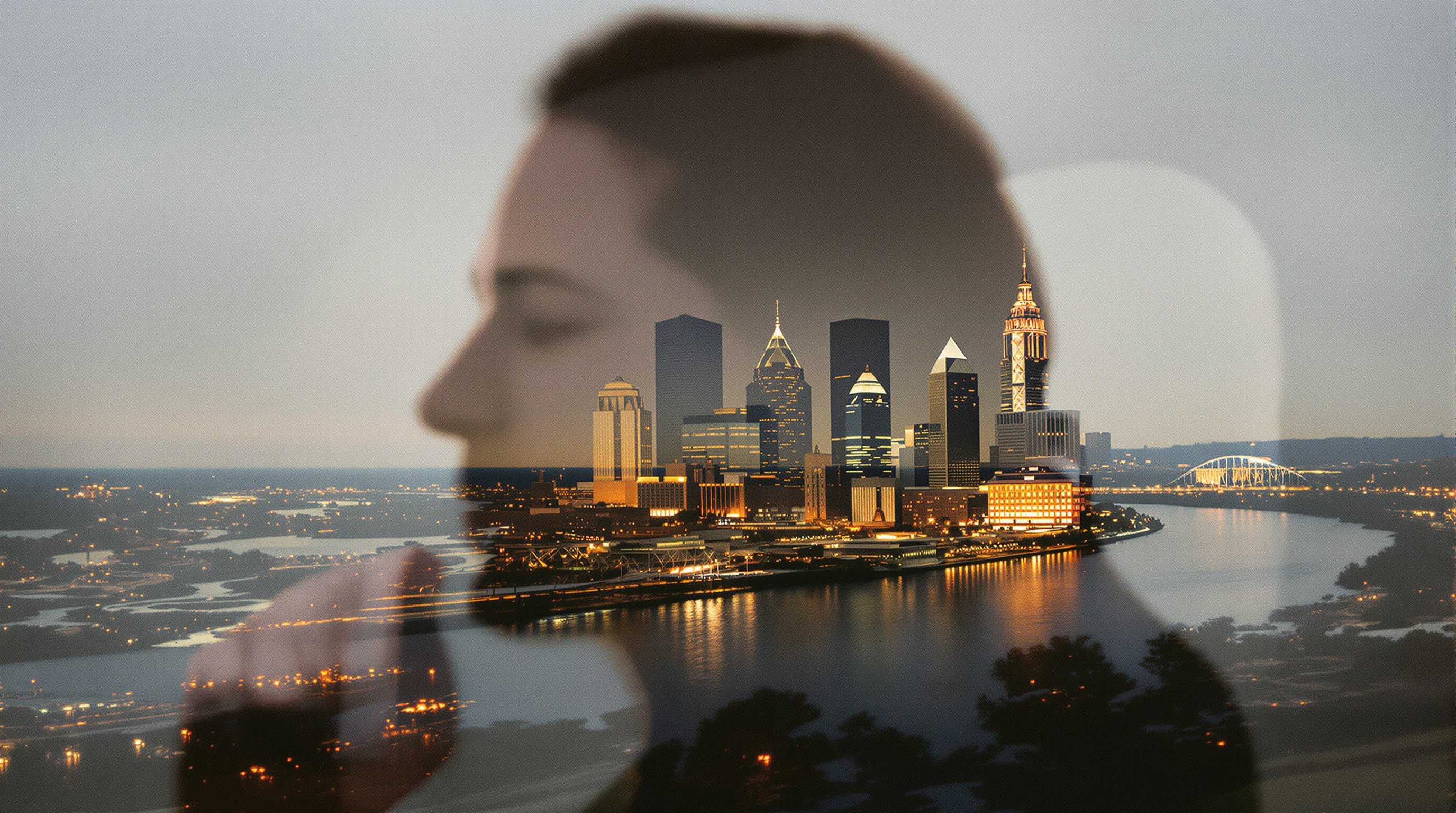
Double exposure photography is one of the most creatively rewarding techniques available to analog photographers. By exposing the same frame of film twice — or more — you layer two distinct images into a single, dreamlike composition. In Louisville, Kentucky, a growing community of film photographers is rediscovering this in-camera art form. This guide walks you through everything you need to know, from gear and technique to developing your double-exposed film.
What Is Double Exposure Film Photography
A double exposure is created when a single frame of film receives light on two separate occasions, resulting in two overlapping images recorded on the same negative. Unlike digital manipulation, in-camera double exposures on film are entirely optical — the result of chemistry and light, not software. This unpredictability is precisely what makes the technique so compelling.
The technique has roots going back to the early days of photography in the 19th century, when photographers discovered that unexposed areas of one image could accept a second exposure. Surrealist and experimental photographers later elevated it into a fine art form.
In practical terms, the two images interact based on density and brightness: dark areas of the first frame are more receptive to the second exposure, while bright areas are already saturated with light and will show less of the second image. This is the fundamental principle you must internalize before shooting.
Choosing the Right Analog Camera for Multiple Exposures
Not all film cameras support in-camera multiple exposures natively. Here is what to look for:
- Cameras with a dedicated multiple exposure (ME) lever or button — These allow you to cock the shutter without advancing the film. Classic options include the Nikon F2, F3, FM2, Canon A-1, Pentax K1000, and medium format cameras like the Mamiya RB67.
- Cameras without native ME support — You can still shoot double exposures by holding the rewind button while cocking the shutter, though this risks slight frame drift. This works on many older cameras but requires practice.
- Medium format cameras — Bodies like the Mamiya RB67 or Hasselblad 500CM are especially popular among Louisville portrait photographers for double exposures because of their larger negative size, which gives more latitude for layering detail.
For 35mm shooting around Louisville — whether on the Big Four Bridge, in Cherokee Park, or among the city's historic architecture — a Nikon FM2 or Canon AE-1 Program are excellent portable choices.
In-Camera Double Exposure Techniques
Once you have a capable camera, technique becomes everything. Here are the core approaches:
- Subject isolation method — Shoot your first exposure against a very dark or black background. The dark areas will absorb the second image cleanly. For example, photograph a face against a black backdrop, then rewind and shoot a landscape of downtown Louisville for the second exposure. The cityscape will appear inside the silhouette of the face.
- Intentional overlap — Compose both frames deliberately to place key elements in complementary positions. Use a pencil to mark the frame edges on your viewfinder if needed.
- Exposure compensation — Each exposure receives the full amount of light the meter recommends, but since two exposures share one frame, you should underexpose each shot by approximately one stop. If your meter says 1/125 at f/8, shoot at 1/250 at f/8 for each exposure. This prevents the combined image from being overexposed.
- Triple and multiple exposures — For three or more exposures on one frame, reduce exposure further. Some photographers shoot with ISO 400 film rated at ISO 1600 to accommodate multiple layers.
- Rephotographing a print — Shoot a developed print as your second subject, a technique that adds texture and tonal richness.
Louisville's mix of urban grit, river scenery, and lush parks provides a rich visual vocabulary for layering. Try combining a close-up portrait with the neon signs of NuLu, or blend tree canopies from Seneca Park with architectural details from the Highlands neighborhood.
Film Choice, Development, and What to Expect in Your Results
Film stock matters enormously for double exposures. Consider the following:
- Kodak Gold 200 and Kodak ColorPlus — Affordable, forgiving stocks that handle the extra density of double exposures well.
- Kodak Portra 400 — A professional favorite with wide exposure latitude, ideal for portraits layered with environmental scenes.
- Ilford HP5 Plus (black and white) — Extremely forgiving, pushes beautifully, and the lack of color means tonal contrast between exposures reads more dramatically.
- Expired film — Many Louisville film photographers use expired film intentionally for double exposures, as the reduced sensitivity and added grain create a more painterly result.
When it comes to developing double-exposed film, you process it exactly as you would any other roll — there is no special chemistry required. C-41 color film goes through the standard C-41 process; black and white uses your usual developer. The double exposure is baked into the negative at the moment of shooting. The key considerations are:
- Inform your lab that the roll contains double exposures so they do not cut the negatives in unexpected places.
- If scanning yourself, adjust your scanner's exposure settings, as double-exposed negatives are denser than normal and can confuse automatic exposure algorithms.
- Expect some frames to be imperfect — double exposure on film involves a degree of chance that is part of its charm.
Louisville has a handful of excellent film labs and camera shops that are familiar with analog work, making it a supportive city for film photographers exploring experimental techniques.
Bringing It All Together
Double exposure film photography rewards patience, planning, and a willingness to embrace the unexpected. By understanding how light layers onto film, choosing the right camera and stock, applying proper exposure compensation, and working with a knowledgeable lab, you can produce images that no digital filter can replicate. Louisville's diverse visual landscape makes it an inspiring backdrop for this analog art form. Load your camera, step outside, and let the chemistry do its magic.