Canvas, Metal or Acrylic — The Best Ways to Print Your Film Photos in Louisville and Kentucky
TK Broecker / 12 July 2026
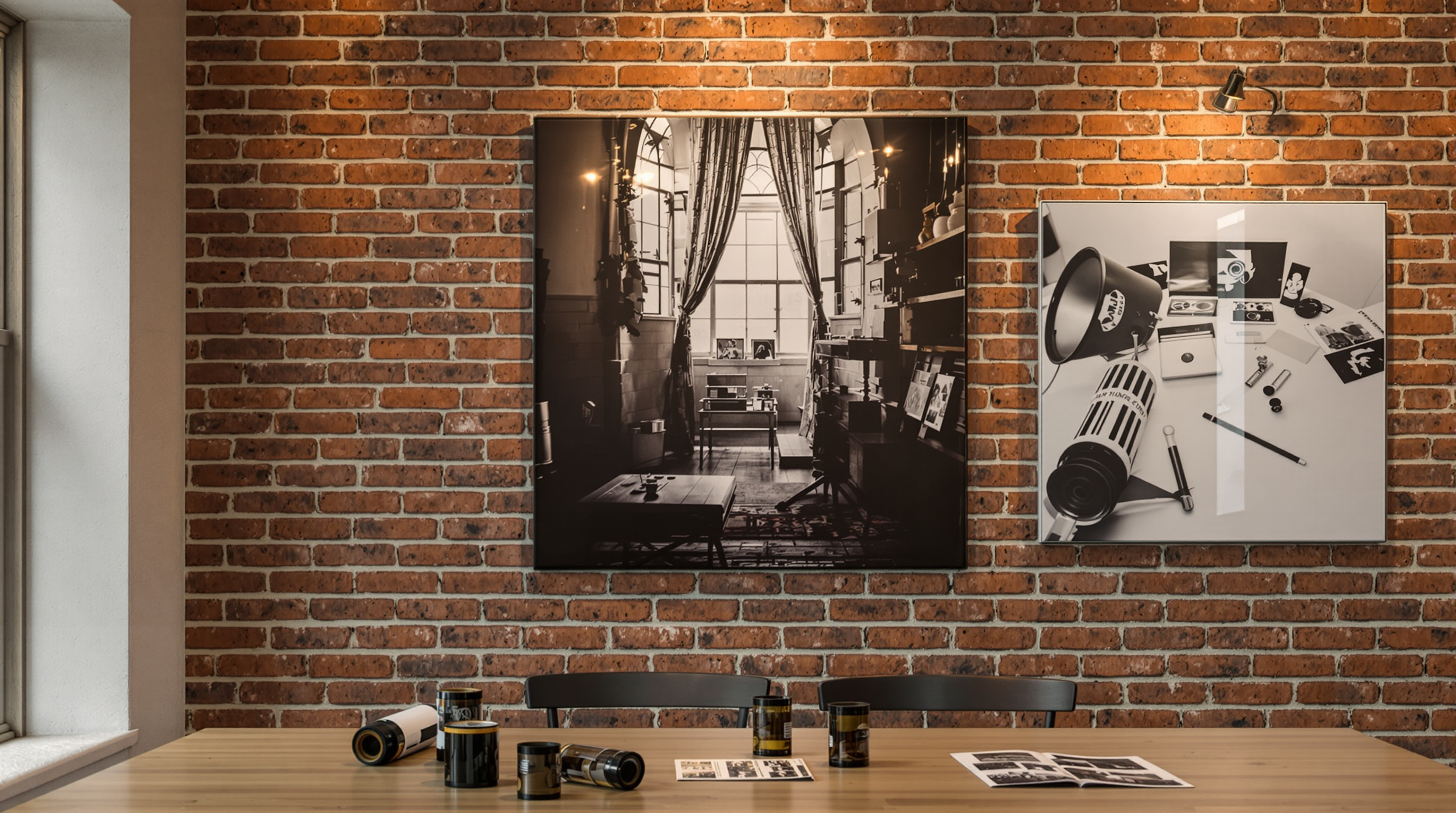
Film photography is having a major renaissance. From Louisville studios to small-town Kentucky darkrooms, analog photographers are once again embracing the grain, warmth, and soul of film negatives. But once your roll is developed, a crucial question arises: what is the best format to print your film photos? Canvas, metal, and acrylic each offer a radically different aesthetic experience — and the right choice depends on your image, your space, and your artistic vision.
Canvas Prints — Warmth and Texture for Analog Souls
Canvas prints are one of the most popular choices for displaying film photography, and for good reason. The textured surface of a canvas naturally complements the organic grain and tonal richness that define analog images. When a film photo — especially one shot on ISO 400 or higher grain stocks like Kodak Tri-X or Ilford HP5 — is printed on canvas, the texture of the medium echoes the texture of the grain itself, creating a deeply cohesive aesthetic.
In Louisville and across Kentucky, many professional print labs offer gallery-wrapped canvas prints, where the image wraps around a wooden stretcher frame, eliminating the need for a traditional frame. This gives the final piece a clean, modern look while preserving the timeless quality of the photograph.
- Best for: Portraits, landscapes, and documentary film photography
- Finish options: Matte or satin (avoid glossy — it conflicts with the canvas texture)
- Key consideration: High-resolution scans of your negatives (at least 2400 DPI for 35mm) are essential for large-format canvas prints
Canvas is also more forgiving with slight focus softness, which is common in analog photography — making it an ideal choice for film shooters who prioritize mood over pixel-perfect sharpness.
Metal Prints — Bold Contrast and Modern Brilliance
Metal prints — produced by infusing dyes directly onto aluminum panels — offer a completely different visual experience. The result is an image with exceptional color vibrancy, deep contrast, and a luminous quality that seems almost to glow from within. For film photographers working with color negative film like Kodak Portra or Fujifilm Pro 400H, metal prints can elevate the already rich color palette of these stocks to stunning effect.
In Kentucky, metal prints are gaining popularity among photographers who want a contemporary, gallery-ready display solution. The aluminum surface is also waterproof, scratch-resistant, and UV-protected, making it an extremely durable option for long-term display.
- Best for: High-contrast black-and-white images, vivid color film photography, architectural and urban subjects
- Finish options: Glossy (for maximum luminosity) or matte (for reduced glare in bright rooms)
- Key consideration: The metallic sheen can amplify digital artifacts if your negative scan is not clean — invest in professional drum scanning for the best results
Metal prints are particularly powerful for images shot on slide film (E-6 process), such as Fujifilm Velvia, where saturation and micro-contrast are the defining characteristics of the photograph.
Acrylic Prints — Depth, Clarity and Luxury
Acrylic prints — also known as face-mounted prints — involve printing the image on high-quality photographic paper and then bonding it face-first to a sheet of clear acrylic (typically 4mm to 8mm thick). The effect is a remarkable sense of depth and three-dimensionality, with colors that appear saturated and luminous behind the glass-like surface.
For analog photographers in Louisville seeking a premium, gallery-level display option, acrylic is often the format of choice. The clarity of the acrylic enhances fine detail in the photograph, which is why a high-quality drum scan or flatbed scan at 4000+ DPI is particularly important when choosing this format.
- Best for: Fine art film photography, medium format and large format negatives, color portraits
- Finish options: Typically glossy, though some labs offer a matte acrylic face
- Key consideration: Acrylic prints are heavier and require secure wall mounting — factor this into your installation plan
Acrylic is the most luxurious of the three formats and comes at a correspondingly higher price point. However, for a truly special piece — a once-in-a-lifetime portrait or a landscape masterpiece captured on medium format film — the investment is absolutely worthwhile.
Choosing the Right Format for Your Film Photo
Ultimately, the best print format for your film photography depends on a combination of factors. Here is a quick comparison to guide your decision:
- Canvas: Best for warm, textured, organic images — ideal for home interiors and portrait photography
- Metal: Best for bold, high-contrast images where durability and vibrancy are priorities
- Acrylic: Best for fine art, exhibition-quality prints where depth and clarity are paramount
Regardless of the format you choose, always start with the highest quality scan possible of your film negative. The quality of the final print is directly tied to the quality of the digital file derived from the scan. In Louisville and across Kentucky, several professional labs offer dedicated film scanning services alongside their printing options — giving analog photographers a one-stop solution from negative to wall art.
Film photography is a deeply personal and artistic medium, and the way you choose to display your images should honor that. Canvas prints bring warmth and texture to analog grain. Metal prints amplify contrast and color with a modern edge. Acrylic prints deliver unmatched depth and gallery-quality brilliance. Whether you're based in Louisville or anywhere in Kentucky, investing in the right print format transforms your film negatives into lasting, meaningful works of art that deserve a place on your walls.