Winter Through Silver Halide Eyes - Capturing the Season on Black and White Film
T.K. Broecker / 30 November 2025
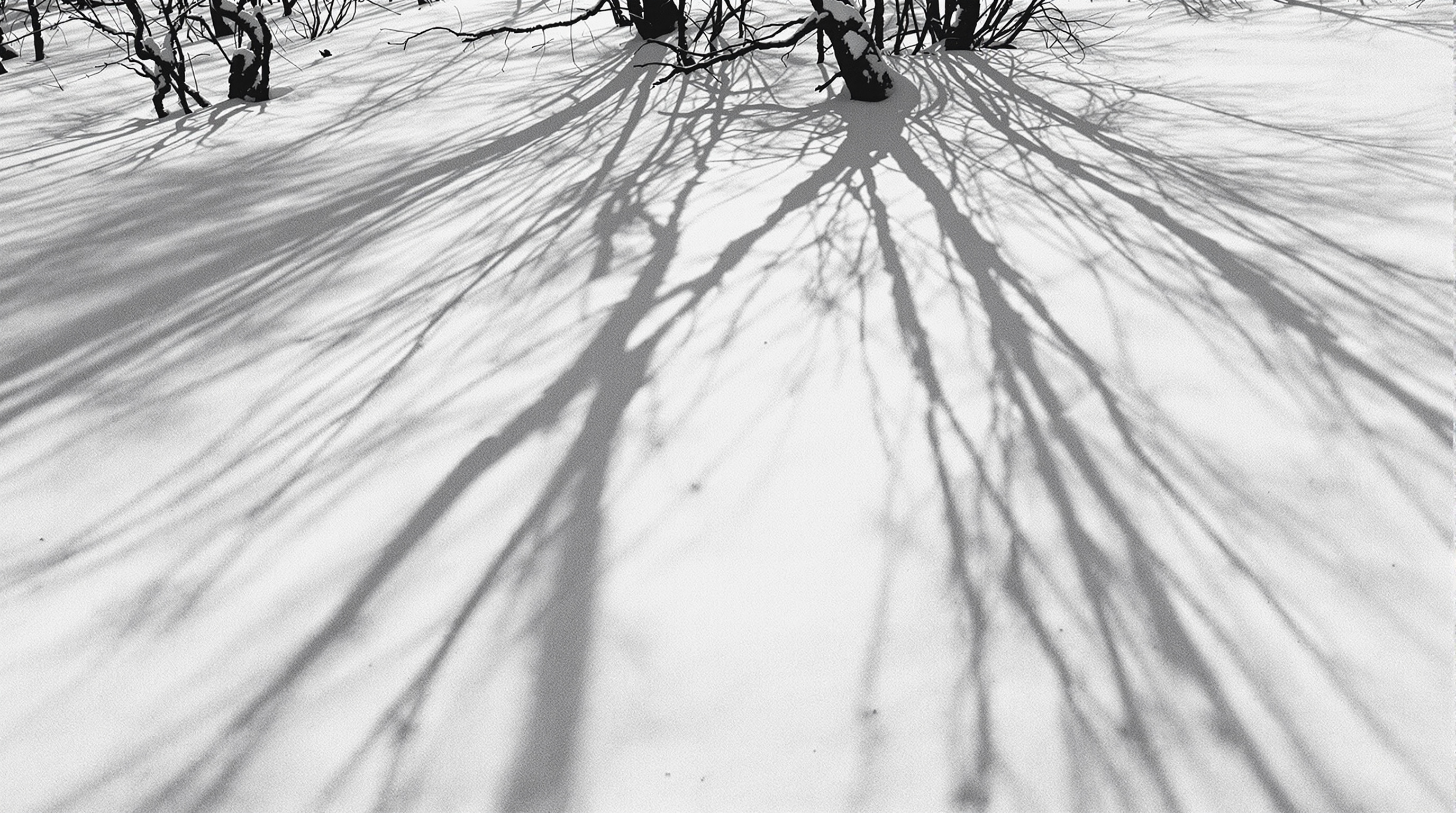
Winter on Black & White Film – Simple Guide for Louisville Photographers
When the world turns quiet and color fades, black and white film brings winter to life in a whole new way. Snow, trees, and soft light take on a classic feel—full of tone, texture, and emotion. Films like Ilford HP5 and Kodak Tri-X capture that feeling better than any digital filter ever could.
Why Black & White Works So Well in Winter
Without color, winter scenes become about shape, light, and contrast. Black and white film helps your eye focus on the story instead of the colors.
- Contrast: Dark trees against bright snow make strong, natural balance.
- Texture: Frost, ice, and snowflakes show up beautifully in film grain.
- Shadows: Winter’s low sun makes long, dramatic shapes on the ground.
- Mood: Black and white matches winter’s quiet, peaceful tone.
Film handles these tones gently, keeping soft highlights and deep shadows natural. That’s why so many photographers still choose film for snowy landscapes and street scenes.
Ilford HP5 Plus – Reliable and Forgiving
Ilford HP5 Plus is a favorite for winter photography. It’s rated at ISO 400, making it fast enough for cloudy days while keeping nice tones and fine grain.
- Handles mixed light and shade easily
- Good detail in both snow and shadows
- Can be pushed up to ISO 1600 for dark evenings
- Smooth, classic film grain that adds character
Develop it in Ilford DD-X or Kodak D-76 for rich midtones and a gentle look that works well for portraits and street photos. HP5 is forgiving even when exposure isn’t perfect—great for quick winter shooting around Louisville.
See Ilford’s HP5 Plus guide for full film details and sample results.
Kodak Tri-X 400 – The Classic Look
Kodak Tri-X is one of the most famous films ever made. It’s known for its punchy contrast and bold grain that fits winter perfectly. Snow, branches, and fog all look dramatic with Tri-X’s strong tones.
- Deep blacks and bright whites for strong contrast
- Distinct grain that adds vintage style
- Pushes well up to ISO 1600 for twilight shots
- Cinematic feel—great for storytelling
Tri-X gives snowy streets and frozen rivers a classic, documentary mood. It’s perfect if you like strong emotion and texture in your photos.
For full specs, visit Kodak’s Tri-X 400 product page.
Developing Black & White Film in Winter
Cold air outside and warm rooms inside can make film react differently. A few simple steps keep your results clean and even.
- • Let your film warm to room temperature before developing
- • Keep developer temps steady—avoid big heat jumps
- • Add 30–60 seconds for high-contrast winter light
- • Use distilled water for clean negatives
- • Store chemicals in a warm space between uses
Local labs like The Print Refinery Louisville East understand these conditions and can adjust developing to match your shooting style.
For home developers, winter is a perfect time to slow down, mix your chemicals, and enjoy the process. The rhythm of developing film on a quiet evening fits the season’s calm perfectly.
Conclusion
Winter and black & white film belong together. HP5 gives soft, gentle tones; Tri-X gives bold, dramatic contrast. Both reveal the quiet beauty of the season in silver and light.
Take your camera out on a snowy morning or foggy evening around Louisville, and you’ll see how film turns even simple scenes into timeless memories.
Want to process your winter film? Bring your rolls to a trusted Louisville lab for expert black and white developing.
Process Your Film