The Ultimate Guide to Film Preservation and Storage
T.K. Broecker / 4 January 2026
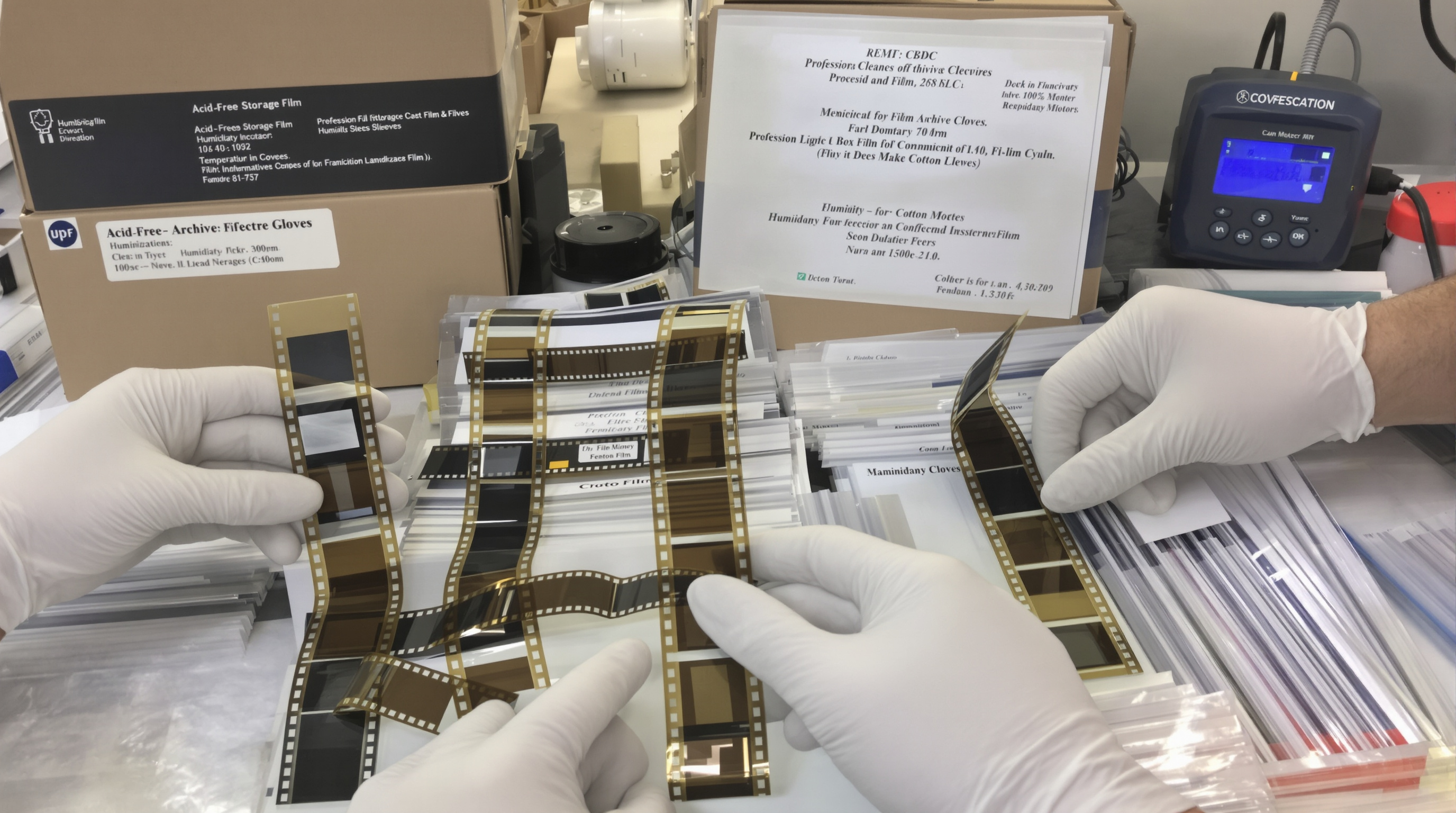
Preserving Film for the Future: How to Store Your Old Film the Right Way
Film is still special, even in a digital world. Many families around Louisville, J-Town, St. Matthews, and Middletown keep old negatives, slides, and movie reels that hold memories you can’t replace. With the right care, those memories can last for many years. This guide explains simple ways to protect film so it stays safe for the future.
Why Film Goes Bad Over Time
Film is made of a plastic base and a light-sensitive layer on top. When these break down, the film can change color, curl, or even fall apart. Common problems include:
- Vinegar Smell: Old acetate film can release acid and become brittle.
- Fading Colors: Reds, blues, and yellows fade at different speeds.
- Scratches and Tears: Often from touching the film or sliding it around.
- Mold: Grows when the air is damp and the room stays humid.
- Light Damage: Sunlight and UV light weaken the film and fade the image.
Heat, humidity, light, and dirty air all speed up damage. Keeping film in stable, calm conditions is the best way to help it last.
Best Temperature and Humidity for Film
Louisville weather changes a lot—hot summers, cold winters—so film needs extra care. A cool, dry, and steady place is best.
Good Temperature Ranges
- Color Film: About 30–40°F in well-sealed storage
- Black & White Film: About 50–60°F in a cool room
- Freezer Storage: Around 0°F for long-term protection
Aim for about 30–40% humidity. Too much moisture (over 60%) invites mold. Too little (under 20%) makes film stiff and easy to crack.
When you move film from a cold place to a warm one—like a freezer to your living room—keep it sealed for at least 24 hours. This helps stop water drops from forming on the film.
For more detailed storage tips, you can also read the Library of Congress guide to caring for photographs .
Safe Storage Sleeves, Boxes, and Supplies
The sleeves and boxes that touch your film matter a lot. Some plastics and papers can slowly harm film. Others help protect it.
Good Materials to Use
- Clear sleeves made of polyethylene, polypropylene, or Mylar
- Acid-free, lignin-free storage boxes
- Archival-safe pens for writing on sleeves
Materials to Avoid
- PVC or vinyl sleeves
- Rubber bands or paper clips
- Tape, glue, or sticky labels on the film
- Brown kraft paper envelopes
Keep things simple and tidy so you don’t have to handle film too much:
- Store film strips in clear archival sleeves with notes on the sleeve, not the film.
- Group film by date, event, or project in acid-free boxes.
- Digitize your film so you can look at images on a screen instead of touching the originals.
- If you freeze film, use strong, vapor-tight bags and seal them well.
How to Handle Film Without Damaging It
Even clean, well-stored film can get ruined by rough handling. A few small habits make a big difference.
- Wear cotton or nitrile gloves when touching film.
- Work in a clean space with no food or drinks nearby.
- Hold film only by the edges so you don’t touch the image area.
- Let cold film warm up slowly before opening the package.
- Use film tongs or soft tools for very old or fragile film.
Check your stored film about once a year. Look for mold, warping, or a strong vinegar smell. If you find a problem roll, move it to its own box and check the room conditions.
If your film is badly damaged, it may be time to ask for help. Our team at The Print Refinery® Louisville East can help with scanning, restoring, and turning old film into safe digital copies for your family.
Keeping Louisville Memories Alive
Old film is more than plastic. It is birthday parties in Crescent Hill, weddings at Cherokee Park, and first days of school in Middletown and J-Town. With cool temperatures, low humidity, safe sleeves, and gentle handling, your film can stay clear and bright for many years.
For more ideas on saving old prints, slides, and family photos, you can read our helpful blog post, From Faded Memories to Digital Legacy . Together, smart storage and expert digitizing will help your Louisville story live on for the next generation.