The Magic of Expired Film Photography
T.K. Broecker / 14 December 2025
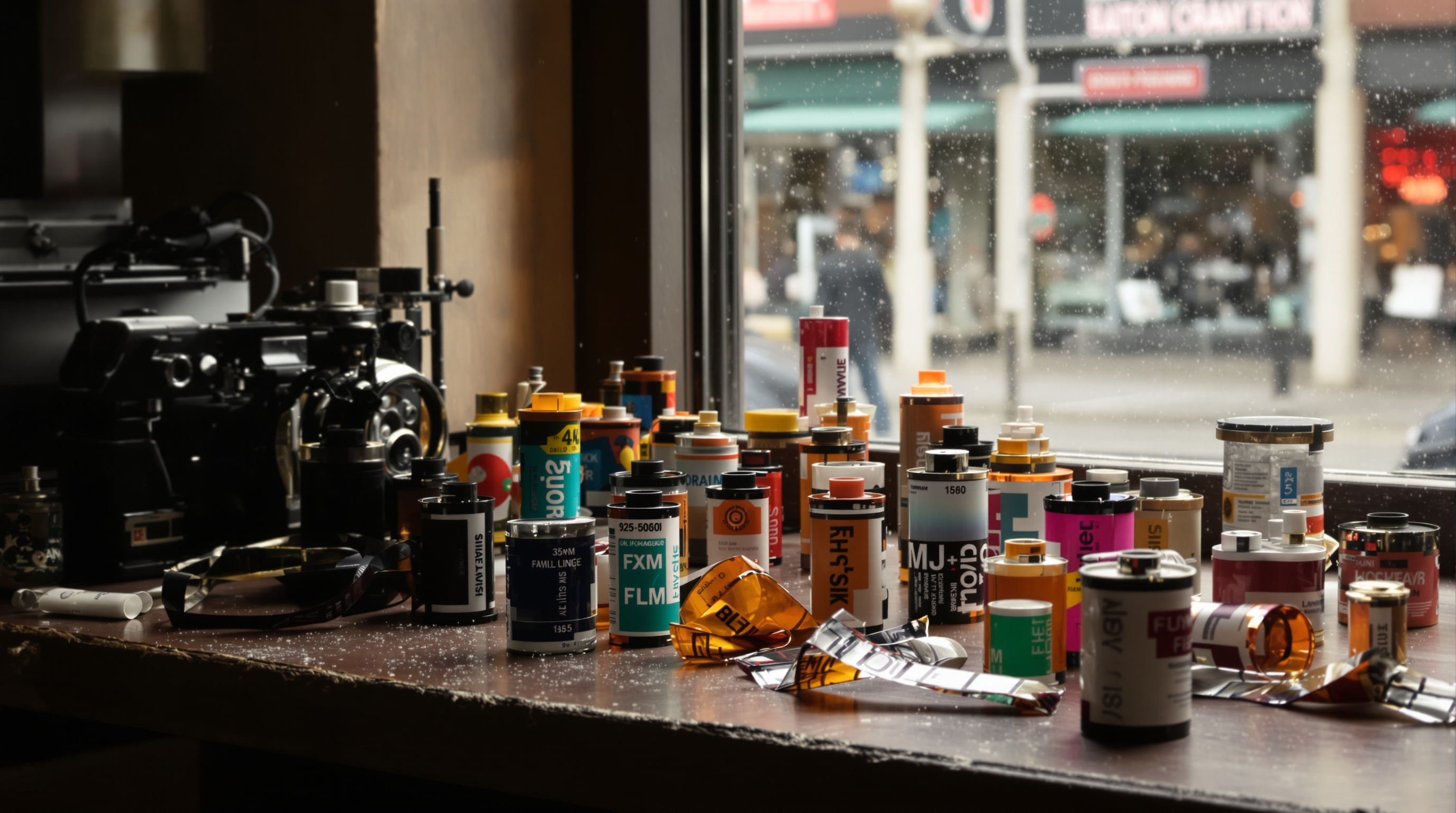
Shooting with Expired Film – Louisville Photographer’s Guide
Expired film has become a favorite among Louisville photographers looking for something a little unpredictable. Old rolls change over time—colors shift, grain grows stronger, and the results can feel dreamy, moody, or straight out of another era. Each roll is a surprise, and that’s part of the fun.
What Happens to Film as It Ages
Film doesn’t just “go bad”—it changes. The light-sensitive crystals inside start breaking down, which makes the film respond differently when exposed. Here’s what you might see when shooting expired rolls:
- Color shifts: Warmer reds and yellows in color film, or cooler blue tones in old slide film.
- Softer contrast: Muted, hazy tones that look naturally vintage.
- Extra grain: More texture and “film grit,” especially in low-light shots.
- Fog and streaks: Light leaks and aging chemicals add creative imperfections.
Black and white film usually ages best because it has simpler chemistry. Color films—especially slide film—tend to shift more dramatically, which gives that classic retro feel many shooters love.
How to Shoot Expired Film
Getting good results takes a bit of experimenting. The more you shoot, the better you’ll get at guessing how a film might behave.
Overexpose by Age
A simple rule: add one stop of exposure for every 10 years past expiration. So if the box says it expired in 2004, shoot it two stops brighter in 2024.
Storage Makes a Big Difference
Frozen or refrigerated film usually still looks great. Rolls kept in attics or cars tend to show more color shifts and fog. Always ask the seller about storage history before buying expired stock—especially online.
Test, Don’t Stress
- • Shoot a short test roll before using expired film on an important shoot.
- • Try bracketing—take the same shot at different exposures.
- • Pair old film with modern subjects for a cool contrast of old and new.
- • Use a manual camera so you can control exposure precisely.
If you’re shooting expired slide film (like Fujichrome Velvia), underexpose slightly—it’s less forgiving than color negatives.
Creative Development: Cross-Processing
Cross-processing means developing film in the “wrong” chemicals. It’s a fun way to exaggerate the strange effects of expired rolls.
- • E-6 film in C-41 chemicals: bold contrast, greenish or warm tones—perfect for a 1970s postcard look.
- • C-41 film in E-6 chemicals: softer colors, low contrast, and a faded warmth ideal for artistic shots.
You can also tweak development time—shorter for subtle shifts, longer for bold colors. Want to see what this looks like? Check out EMULSIVE’s expired film gallery for real examples.
Where to Develop Expired Film in Louisville
Several Louisville spots handle special film processing for creatives who like to experiment:
- Murphy’s Camera — Bardstown Road staple offering C-41, black & white, and some special handling for old film.
- The Print Refinery Louisville East — Great for scanning unique color results or creating prints from old negatives.
- Magnolia Photo Co. — Known for creative development and hands-on advice for experimental photographers.
- Louisville Photographic Society — Hosts workshops and film swap meets where you can trade expired rolls and share results.
When dropping off expired rolls, tell the lab the expiration date and any exposure adjustments. That helps them develop and scan it properly.
Conclusion
Expired film is all about surprise and character. The color drifts, soft tones, and texture can make simple scenes feel like memories. You won’t always know what you’ll get—and that’s exactly what makes it exciting.
Whether you’re cross-processing a 20-year-old roll of Portra or testing an old Fujifilm stock from a yard sale, every frame tells its own story. Embrace the quirks, and you’ll end up with photos that feel alive.
Ready to try expired film? Bring your rolls to a local Louisville lab for help with development and scanning.
Develop Your Film