Professional Film Scanning and Color Correction Techniques
T.K. Broecker / 8 March 2026
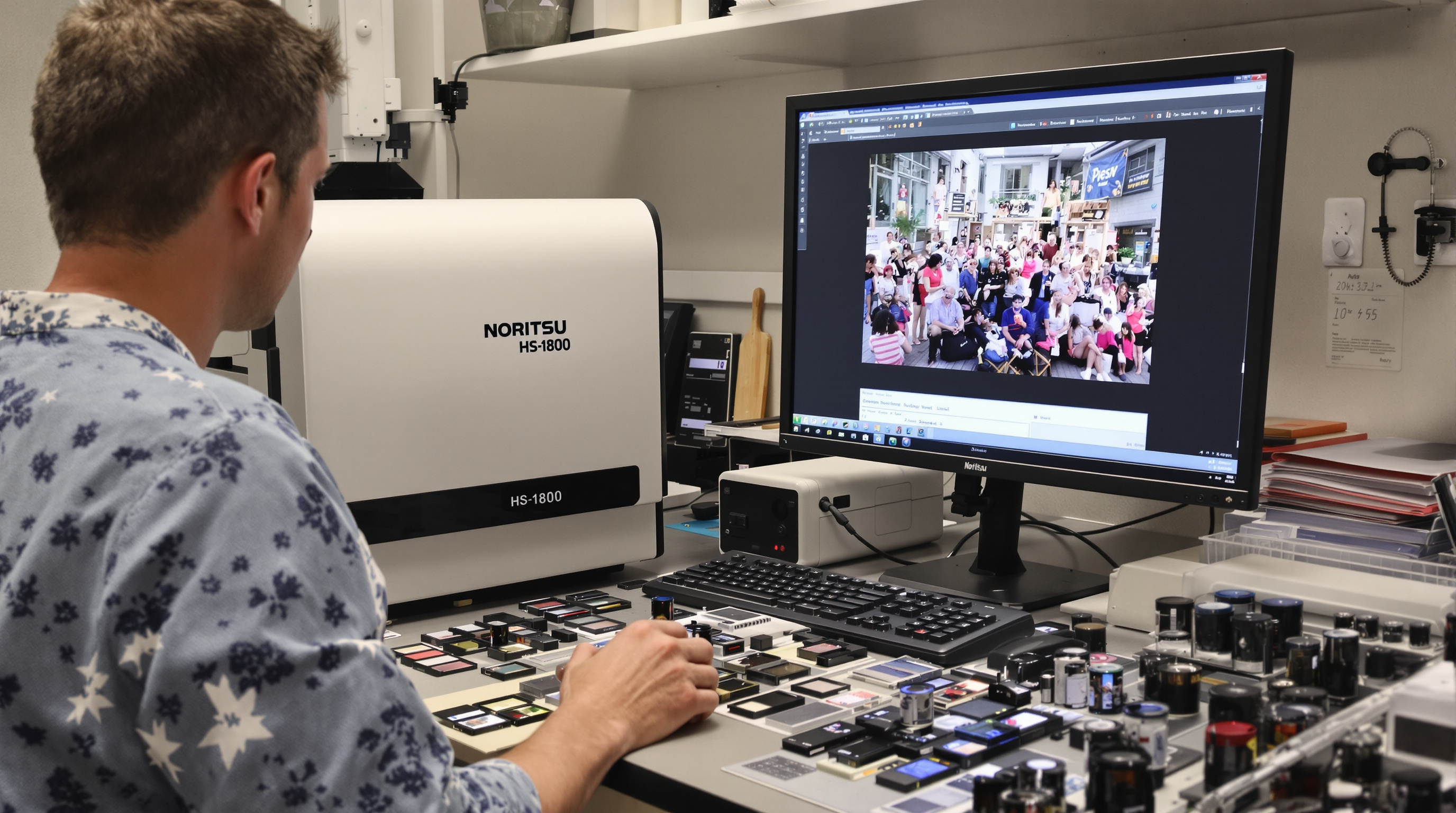
Professional Film Scanning: Noritsu HS-1800, Fuji S2500, Color Correction & QC
In the digital age, preserving the unique aesthetic of analog film requires specialized scanning and color correction expertise. Professional film scanning services, particularly in Kentucky and beyond, leverage advanced equipment like the Noritsu HS-1800 and Fuji S2500 to transform physical negatives into stunning digital assets. This process involves precise frame-by-frame color correction, consistent color balance maintenance, and rigorous quality control to capture the authentic film experience digitally.
Understanding Professional Film Scanning Equipment
The technology behind film scanning significantly impacts the quality of your digitized images. The Noritsu HS-1800 stands as one of the industry's most respected scanners, offering exceptional resolution up to 4870 DPI and employing LED light sources that minimize negative damage while providing consistent illumination. This high-speed scanner processes multiple frames efficiently without sacrificing quality, making it a cornerstone of many professional scanning operations.
Noritsu HS-1800 highlights
- Exceptional resolution (up to 4870 DPI)
- LED light source for consistent illumination
- High-speed throughput without sacrificing quality
By comparison, the Fuji S2500 film scanner offers different advantages with its proprietary color science technology specifically designed to optimize Fujifilm emulsions. This specialized scanner features infrared dust and scratch detection capabilities, automatically identifying and removing physical imperfections during the scanning process. Both machines represent significant investments that separate professional scanning services from consumer-level options.
Fuji S2500 strengths
- Proprietary color science optimized for Fujifilm emulsions
- Infrared dust and scratch detection capabilities
- Automated imperfection removal during scanning
Frame-by-Frame Color Correction Methodology
The heart of professional film scanning lies in the meticulous frame-by-frame color correction process. Unlike batch processing that applies identical adjustments to entire rolls, dedicated technicians evaluate each image individually, making precise adjustments to:
- Color temperature and white balance
- Density and exposure compensation
- Contrast curves and shadow detail
- Saturation and color channel balance
- Highlight recovery and protection
- Stock-aware interpretation (Portra vs Ektar vs Fuji Pro)
- Compensation for aging and storage shifts
- Rescue work for development irregularities
Advanced color correction also involves compensating for aging effects in older film and identifying color shifts caused by improper storage or development issues. Skilled technicians can often rescue images affected by these problems, applying corrections that restore the intended color palette while preserving the authentic film character.
Consistent Color Balance and Quality Control
Maintaining consistent color balance across an entire roll or multiple scanning sessions presents significant challenges. Professional scanning services implement rigorous procedures to ensure color cohesion:
How consistency is maintained
- Calibration targets scanned at the start of each session to establish baseline color measurements
- Color-managed workflow with calibrated monitors
- Controlled lighting environments to prevent ambient light from influencing perception
Multi-stage quality control
- Initial review for exposure and basic color
- Detailed frame-by-frame correction
- Final inspection by a separate reviewer
- Preference matching for returning customers
Lab Scans vs. Home Scanning Solutions
The difference between professional lab scans and home scanning extends far beyond equipment quality. Professional labs benefit from:
- Cumulative expertise - Technicians who process thousands of rolls develop pattern recognition and problem-solving abilities that hobbyists simply haven't had the opportunity to acquire
- Workflow efficiency - Established protocols for handling, processing, and quality control eliminate the trial and error common in home scanning
- Environmental controls - Dust-controlled environments, proper anti-static equipment, and specialized handling tools minimize contaminants
- Software mastery - Proficiency with professional-grade color correction software and custom processing algorithms
Home scanning solutions have improved dramatically with options like the Plustek OpticFilm series or Epson Perfection flatbeds, but these consumer devices typically lack the optical precision, speed, and dynamic range of professional equipment. The learning curve for proper scanning technique and color correction is steep, requiring significant time investment to achieve results approaching professional quality.
The journey from film negative to stunning digital image involves sophisticated equipment, specialized expertise, and meticulous attention to detail. Professional film scanning services in Kentucky and beyond offer a level of quality that reflects years of experience and significant technical investment. Whether preserving family memories or preparing professional work for publication, understanding the complexities of proper film scanning helps photographers make informed decisions about digitizing their analog treasures. The art of film doesn't end with development – it continues through the critical scanning and color correction process.