Film Prints vs Digital Scans - Making the Right Choice for Your Photography
T.K. Broecker / 15 March 2026
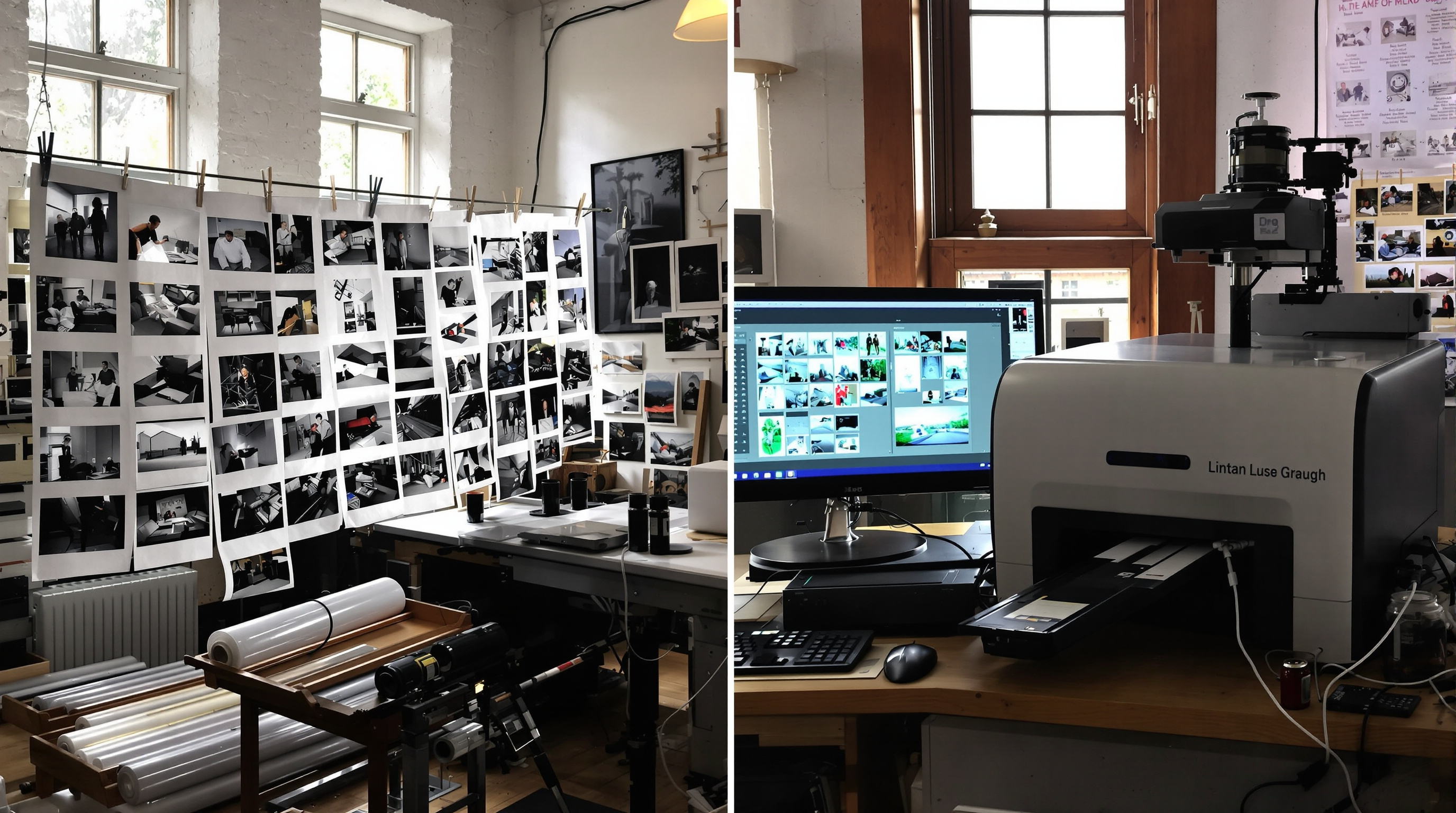
Film Prints vs Digital Scans: Which Should You Choose After Developing?
In today's hybrid analog-digital photography world, photographers face an important decision after shooting a roll of film: should they opt for traditional prints, digital scans, or both? This choice impacts not only how you'll view and share your images but also affects their longevity, quality, and versatility. Understanding the differences between these options helps ensure your film photography journey yields the results you truly want.
Understanding Film Prints and Digital Scans
Traditional film prints and digital scans represent two distinct approaches to bringing your film images to life. Film prints are physical photographs created through a chemical process where light-sensitive paper is exposed to your film negative, then processed to reveal the image. This analog approach produces tangible prints with distinctive characteristics that many photographers cherish.
Digital scans, conversely, involve using specialized equipment to convert film negatives into digital image files. This process captures the film's visual information and transforms it into pixels, creating digital versions that can be viewed on screens, edited in software, and shared online.
Key differences
- Physicality: Prints offer a tactile experience and physical artifact while scans exist primarily in digital form
- Color rendering: Different printing papers and scanning equipment can interpret film colors differently
- Detail preservation: High-resolution scans can capture extremely fine details from negatives
- Longevity: Archival prints can last decades when properly stored, while digital files require proper backup systems
Film Development Packages: What Labs Typically Offer
Most modern film processing labs understand photographers' diverse needs and offer various service combinations. At The Print Refinery Louisville East, a standard film developed and scanned package typically includes:
- Chemical processing of your film (development)
- Digital scanning at various resolution options
- Digital delivery via download or storage device
- Return of your processed negatives
Common add-ons
- Basic dust removal and color correction
- Individual frame adjustments
- Push/pull processing for exposure compensation
- Cross-processing or other special development techniques
Making the Right Choice for Your Photography
Choosing between prints and scans depends on several factors:
Consider prints when
- You value the tangible, physical experience of photographs
- You want to display your images immediately without additional steps
- You appreciate the specific aesthetic qualities of photographic paper
- You want a finished product that doesn't require a screen to view
Consider scans when
- You want to share your images online or via social media
- You plan to edit your images using digital software
- You need multiple copies or versions of your photographs
- You want the flexibility to print selected images later in various sizes
From Digital Scans to Physical Prints and Online Sharing
Having digital scans offers tremendous versatility. You can share film scans online immediately through:
- Social media platforms like Instagram that celebrate film photography
- Photography-focused communities like Flickr or 500px
- Personal websites or portfolios showcasing your work
- Email or messaging apps for sharing with friends and family
When printing from film scans, you gain significant control over the final product. Digital files allow you to:
- Adjust contrast, color balance, and exposure before printing
- Crop or reframe images as desired
- Print at various sizes from a single scan (with sufficient resolution)
- Choose from different printing processes like inkjet, digital C-print, or gicléee
Once you have quality scans, the printing options are wide open. Photographers across Kentucky — from Louisville to Lexington to smaller towns like Elizabethtown and Owensboro — can order professional photo prints directly from their digital scans, or go bigger with canvas prints and other wall art formats through The Print Refinery. According to B&H Explora, the paper and substrate you choose for printing from a digital scan can have just as much impact on the final result as the scan resolution itself. For more on how to think about printing and displaying film images, the discussion of film photography in the digital age covers the full workflow from development to display.
Conclusion
The choice between film prints and digital scans isn't truly binary in today's photography landscape. Most photographers benefit from a strategic combination that leverages the strengths of both approaches. High-quality scans provide versatility, shareability, and a digital backup, while selected prints deliver the tactile satisfaction and display options that many film photographers seek. Consider your specific needs, budget, and how you ultimately want to experience your photographs when making these decisions. Whatever your choice, the goal remains capturing and preserving meaningful images in ways that bring you joy.